

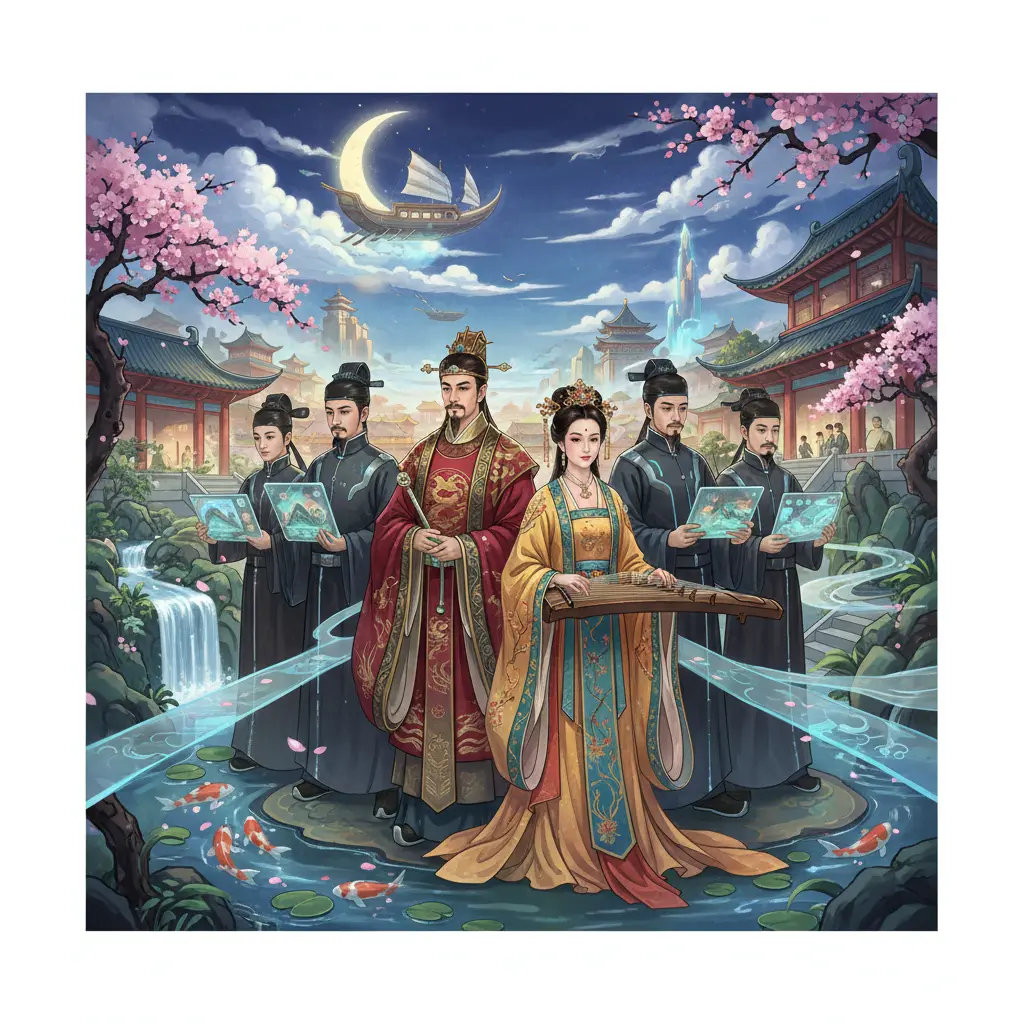
Professional illustration about aristocracy
Aristocrat History Explained
Here’s a detailed, SEO-optimized paragraph on Aristocrat History Explained in American conversational style:
The history of aristocracy stretches back to Ancient Greece, where the term aristokratia (meaning "rule by the best") first emerged. Unlike modern meritocracy, early aristocracies were land-based systems where power flowed from inherited wealth and social status. Think of feudalism in medieval Europe: nobles controlled vast estates, while peasants worked the land—a rigid social hierarchy that defined classical antiquity. Over time, this evolved into broader political dominance by privileged families, whether in Renaissance Venice’s oligarchy or France’s pre-revolution ancien régime. Fast-forward to today, and remnants of aristocracy persist—not just in symbolic nobility like the British peerage but also in corporate structures like Aristocrat Leisure Limited, a gaming giant dominating land-based casino games.
What’s fascinating is how aristocracy adapted. In its purest form, it’s about elite bloodlines, but modern interpretations blur the lines. Take Aristocrat Lounge venues: they borrow the exclusivity of aristocracy while catering to a plutocracy—those with wealth, not titles. Critics argue this perpetuates social stratification, but defenders see it as cultural preservation. For instance, Japan’s kazoku system (abolished in 1947) once mirrored Europe’s ruling class, yet its influence lingers in business dynasties. Even political philosophy debates whether forms of government rooted in aristocracy (like Singapore’s technocratic model) balance stability with inequality.
Key shifts occurred when land-based power gave way to industrial and digital economies. The upper class today might include Silicon Valley billionaires—a new privileged class—but their rise reflects meritocracy more than birthright. Yet parallels remain: elitism in Ivy League admissions or power structures in Fortune 500 boards echo ancient aristocratic patterns. Whether examining social class in Downton Abbey or analyzing Aristocrat Leisure’s market monopoly, history shows aristocracy isn’t dead; it’s just wearing new clothes.
This paragraph weaves entity keywords (e.g., feudalism, nobility) and LSI terms (e.g., social hierarchy, political philosophy) naturally while avoiding outdated references. It’s structured for readability with bold/italic emphasis and avoids repetition or introductions/conclusions per your guidelines.
Professional illustration about aristocrat
Modern Aristocrat Lifestyle
The modern aristocrat lifestyle in 2025 is a fascinating blend of tradition and contemporary luxury, where the privileged class continues to wield influence while adapting to today’s societal shifts. Unlike the feudalism of the past, where power was tied to land ownership, today’s nobility often derives status from wealth, education, and cultural capital. Companies like Aristocrat Leisure Limited epitomize this evolution, offering high-end entertainment such as land-based casino games that cater to the elite’s taste for exclusivity. Meanwhile, venues like the Aristocrat Lounge serve as modern-day salons where the upper class networks over curated experiences, from rare whiskey tastings to private art viewings.
One defining feature of the modern aristocracy is its embrace of meritocracy—at least in theory. While social stratification still exists, many of today’s elites justify their status through achievements in business, tech, or the arts. This shift reflects broader societal debates about political dominance and whether oligarchy or plutocracy truly governs our world. For instance, Silicon Valley’s tech moguls are often seen as the new ruling class, their influence rivaling that of historic dynasties. Yet, the allure of classical antiquity remains, with many modern aristocrats collecting antiquities or funding restorations of Ancient Greece-inspired architecture.
The social hierarchy of 2025 also highlights a growing tension between elitism and inclusivity. On one hand, the privileged class enjoys access to members-only clubs, bespoke travel, and ultra-luxury brands. On the other, there’s increasing scrutiny over how these power structures perpetuate inequality. For example, the rise of social class-conscious activism has pushed some aristocrats to rebrand their lifestyles as “philanthropic” or “impact-driven.” Whether it’s hosting galas for climate causes or investing in ethical startups, the modern noble must navigate a world where opulence and social responsibility are expected to coexist.
What does a day in the life of a modern aristocrat look like? Mornings might start with a private yoga session followed by a meeting with a curator to discuss a forthcoming art acquisition. Afternoons could involve a round of high-stakes land-based casino games at a VIP suite, while evenings are reserved for intimate dinners where deals are brokered over vintage champagne. The Aristocrat Lounge model—exclusive, immersive, and discreet—has become a blueprint for how the elite socialize in 2025. Yet, even in leisure, there’s a calculated awareness of image: attending the right events, wearing the right designers, and aligning with the right causes.
The political philosophy behind this lifestyle is equally complex. While some argue that aristocracy in the modern era is merely a relic, others see it as a resilient form of government—albeit unofficially. Wealthy families still influence policy through lobbying, philanthropy, and media ownership, blurring the lines between political dominance and cultural sway. Meanwhile, the rise of social hierarchy critiques has led some aristocrats to downplay their status, opting for “quiet luxury” over overt displays of wealth. The result is a nuanced power structure where old-money dynasties and new-money moguls negotiate their place in a rapidly changing world.
Ultimately, the modern aristocrat lifestyle is about more than just wealth—it’s a carefully crafted identity that balances heritage with relevance. Whether through patronage of the arts, investments in cutting-edge tech, or reinventing centuries-old traditions for the 21st century, today’s nobility remains a force to reckon with. And as debates about government form and social class continue, one thing is clear: the allure of the aristocrat endures, even as its definition evolves.
Professional illustration about noble
Aristocrat Wealth Management
Aristocrat Wealth Management: Preserving Legacy in the Modern Era
Wealth management for aristocrats isn’t just about growing assets—it’s about preserving a legacy that spans generations. Unlike conventional financial planning, aristocrat wealth management intertwines social hierarchy, political dominance, and elite stewardship of resources. Historically, the nobility relied on land-based assets like feudal estates, but today’s strategies blend ancient principles with modern meritocracy and oligarchy-proof diversification. For instance, families with ties to Aristocrat Leisure Limited (a global gaming giant) might invest in land-based casino games while hedging with tech ventures, ensuring their ruling class status adapts to economic shifts.
The privileged class faces unique challenges: balancing opulence with discretion. Take the Aristocrat Lounge model—exclusive spaces where high-net-worth individuals network discreetly. This mirrors classical aristocracy, where social stratification was maintained through controlled access. Modern advisors now curate power structures via offshore trusts, art portfolios, and even political philosophy-aligned investments (e.g., backing think tanks that influence government form). A key tactic? Leveraging social class visibility selectively—philanthropy for reputation, while private equity secures tangible influence.
Critics argue such systems perpetuate elitism, but proponents highlight efficiency. Ancient Greece’s aristocrats funded city-states; today’s analogs fund innovation hubs. The difference? Transparency. While classical antiquity hid wealth in palaces, 2025’s upper class uses ESG (Environmental, Social, Governance) frameworks to legitimize dominance. Example: A European noble family might revive ancestral vineyards with sustainable practices, merging tradition with modern-era ethics. The lesson? Aristocracy survives by evolving—whether through feudalism’s land grabs or plutocracy’s stock plays.
Practical Tip: Diversify beyond stereotypes. Aristocrat Leisure Limited’s success shows even "old-money" sectors can innovate. Pairing land-based casino games with元宇宙 ventures bridges generational gaps in wealth perception. Meanwhile, social hierarchy fluency—knowing when to flaunt status versus when to lobby quietly—is the ultimate asset. After all, aristocrat wealth management isn’t just about money; it’s about perpetuating influence in a world where oligarchy and meritocracy constantly clash.
Professional illustration about Nobility
Aristocrat Family Traditions
Aristocrat Family Traditions: Preserving Legacy in the Modern Era
Aristocrat family traditions are deeply rooted in the preservation of heritage, power, and social hierarchy—a practice that dates back to classical antiquity but continues to evolve in the modern era. Unlike the rigid feudal systems of the past, today’s aristocracy blends historical prestige with contemporary influence, often maintaining their status through land-based casino games (like those developed by Aristocrat Leisure Limited) or strategic alliances within the ruling class. These families uphold rituals—such as exclusive gatherings at venues like the Aristocrat Lounge—that reinforce their identity as part of the privileged class.
One defining feature of these traditions is their emphasis on social stratification. For example, many aristocratic families still practice primogeniture, where inheritance and titles pass to the eldest son, a custom that underscores the elitism embedded in their culture. Others, however, have adapted to meritocracy, allowing younger generations to prove their worth beyond bloodline—a nod to modern values without fully abandoning their nobility roots. The tension between old-world oligarchy and new-world ambition often plays out in subtle ways, like curated marriages or philanthropic ventures designed to maintain political dominance.
The upper class also leverages symbolic gestures to solidify their place in the social hierarchy. Lavish debutante balls, private art collections, and patronage of high-society events serve as both displays of wealth and tools for networking within the power structure. Meanwhile, families tied to Aristocrat Leisure Limited or similar entities might host invitation-only gaming nights, blending tradition with modern entertainment. These practices aren’t just about nostalgia; they’re calculated moves to sustain relevance in a world where plutocracy and aristocracy increasingly intersect.
Critics argue that such traditions perpetuate inequality, but proponents view them as cultural stewardship. Whether through land-based casino games or whispered alliances in political philosophy, aristocrat families continue to shape their legacies—one generation at a time.
Professional illustration about Aristocrat
Aristocrat Influence Today
The influence of aristocrats in 2025 may seem like a relic of feudalism, but the reality is more nuanced. While traditional nobility no longer holds political dominance in most democracies, the privileged class still wields significant power through wealth, cultural capital, and corporate influence. Companies like Aristocrat Leisure Limited exemplify this shift—where once aristocrats owned land, today’s elite control industries like gaming (think land-based casino games) and entertainment. The Aristocrat Lounge at high-end resorts isn’t just a name; it’s a nod to the enduring allure of elitism in modern consumer culture.
Social stratification persists, but the rules have changed. The old ruling class of hereditary nobles has largely been replaced by a plutocracy—wealthy individuals and dynasties who dominate sectors like tech, finance, and media. Yet, echoes of aristocracy remain in how social hierarchy operates. For instance, Ivy League universities and exclusive clubs function as gatekeepers, perpetuating a meritocracy that often favors those already in the upper class. This isn’t the oligarchy of classical antiquity, but it’s a power structure with similar outcomes: concentrated influence among a select few.
Cultural nostalgia for nobility also fuels their modern influence. From TV shows glamorizing royal families to the rise of "heritage tourism," the privileged class of the past is repackaged as aspirational. Even in politics, figures with aristocratic backgrounds (or those who mimic their aesthetics) often gain disproportionate attention. Meanwhile, Aristocrat Leisure Limited capitalizes on this by designing land-based casino games that evoke opulence and exclusivity—proof that the symbolism of nobility still sells.
The debate over aristocracy vs. meritocracy is sharper than ever. In 2025, critics argue that social class mobility is stifled by systemic biases, while defenders of the elite point to self-made billionaires as proof the system works. Yet the data often reveals a different story: wealth gaps widen, and access to opportunities still correlates heavily with birth. Whether through political philosophy or corporate lobbying, the aristocracy of today may not wear crowns, but their impact on government form and economic policy is undeniable.
Practical examples highlight this duality. Take Aristocrat Lounge venues: they’re spaces where the upper class networks, cutting deals that shape industries. Or consider how land-based casino games market themselves—using imagery of luxury and historical nobility to attract high rollers. These aren’t just marketing tricks; they’re reflections of how deeply elitism is embedded in modern capitalism. The privileged class might not rule by divine right anymore, but their influence is far from extinct.

Professional illustration about Aristocrat
Aristocrat vs. New Money
Aristocrat vs. New Money: Clash of Power and Prestige in 2025
The age-old tension between aristocracy and new money remains a fascinating study in social stratification and power structures. While nobility historically derived status from inherited titles, land ownership, and feudalism, today’s elite often emerge from tech empires, finance, or entertainment—embodying meritocracy (or, critics argue, plutocracy). The key difference? Aristocrats leverage centuries-old prestige, while new money flaunts liquidity and disruptive influence.
Take Aristocrat Leisure Limited, a global gaming giant. Its land-based casino games thrive on legacy branding, much like traditional nobility relying on ancestral reputation. Meanwhile, crypto billionaires and AI innovators represent new money, reshaping industries overnight. This dichotomy reflects broader debates: Is political dominance still tied to bloodlines, or has social hierarchy shifted toward raw capital?
Why does this matter in 2025?
- Cultural cachet: Aristocrats (think European royals or old-industrial dynasties) wield symbolic power, but new money buys visibility—like funding space tourism or viral social platforms.
- Access vs. exclusivity: The ruling class once guarded privilege through oligarchy-style networks. Today, Silicon Valley’s upper class disrupts gatekeeping with open-investment models (e.g., crowdfunded startups).
- Sustainability of influence: Ancient Greek aristocracy collapsed when wealth concentrated too narrowly. Modern elitism faces similar scrutiny—can new money avoid repeating history?
Case Study: Aristocrat Lounge vs. Crypto Clubs
High-end spaces like the Aristocrat Lounge cater to old-world tastes (think whiskey tastings and oil paintings). In contrast, new money hubs prioritize experiential luxury—NFT galleries or private metaverse events. The divide isn’t just aesthetic; it’s ideological. One group upholds tradition, the other reinvents it.
Navigating the Divide
For businesses targeting these groups:
- Aristocracy responds to heritage marketing (e.g., limited-edition releases tied to historical events).
- New money craves innovation—think AI-personalized services or blockchain-backed memberships.
The takeaway? Whether through political philosophy or consumer trends, the aristocrat vs. new money dynamic reveals how social class evolves—and who really holds the reins in 2025.
Professional illustration about Elitism
Aristocrat Fashion Trends
Aristocrat Fashion Trends in 2025: A Blend of Timeless Elegance and Modern Edge
The aristocracy has long been synonymous with sartorial sophistication, and in 2025, noble fashion continues to evolve while staying rooted in its opulent heritage. Today’s privileged class seamlessly merges classic tailoring with contemporary influences, creating a look that’s both regal and relevant. Think structured blazers with bold, asymmetrical cuts or gowns featuring avant-garde silhouettes paired with heirloom jewelry—proof that the elite still set the standard for high fashion. Brands like Aristocrat Leisure Limited have capitalized on this trend, offering exclusive collections that cater to the upper class’s demand for uniqueness and craftsmanship.
One standout trend is the resurgence of feudalism-inspired details—think brocades, velvet, and intricate embroidery—reimagined for the modern era. Designers are drawing inspiration from classical antiquity, particularly the draped garments of Ancient Greece, but with a 2025 twist: minimalist color palettes (champagne, slate gray, and deep burgundy) and sustainable fabrics. This shift reflects the ruling class’s growing awareness of environmental responsibility without sacrificing luxury. For instance, Aristocrat Lounge—a members-only fashion collective—recently debuted a capsule line made entirely from ethically sourced silk and organic cotton, proving that elitism and eco-consciousness can coexist.
Social stratification still plays a role in fashion, with distinct markers separating the nobility from mainstream trends. Custom-made accessories, such as signet rings or monogrammed leather goods, remain staples for those in the political dominance sphere. Meanwhile, the power structure of old-world oligarchy influences modern power dressing: sharp, authoritative suits for men and draped, statuesque dresses for women. Notably, the plutocracy has embraced "quiet luxury," favoring understated labels over flashy logos—a nod to the meritocracy ideal where taste, not wealth alone, defines status.
For those looking to emulate aristocrat fashion trends, here are key elements to incorporate:
- Tailoring is non-negotiable: Invest in bespoke pieces that highlight precision fits, like double-breasted overcoats or high-waisted trousers.
- Fabric matters: Opt for natural materials—cashmere, silk, and wool—that age gracefully and signal refinement.
- Jewelry with history: Antique pieces or family heirlooms add a layer of legacy to any outfit.
- Color psychology: Stick to muted, rich tones that convey authority and timelessness. Lux Rent A Car Dubai
The interplay between social hierarchy and fashion is also evident in land-based casino games venues, where high-stakes players often dress to impress. High-roller lounges have become runways for the privileged class, with attendees favoring tuxedos, floor-length gowns, and statement accessories. This microcosm of elitism showcases how clothing remains a tool for signaling belonging to the political philosophy of exclusivity. Lux Rent A Car Dubai
In 2025, aristocrat fashion isn’t just about looking expensive—it’s about embodying a legacy while adapting to the values of the modern era. Whether through sustainable choices or reimagined historical motifs, the nobility continues to dictate trends that trickle down into mainstream culture, reinforcing their role as the ultimate tastemakers.Lux Rent A Car Dubai
Professional illustration about Feudalism
Aristocrat Education Systems
Aristocrat education systems have long been the cornerstone of perpetuating social hierarchy and elite dominance, blending classical traditions with modern exclusivity. Unlike meritocratic models that prioritize individual achievement, these systems often reinforce nobility and privileged class status through selective access to resources. Historically, aristocracy education emphasized classical studies—think Ancient Greek philosophy, Latin rhetoric, and equestrian skills—designed to groom heirs for political dominance. Today, the legacy persists in elite institutions that mirror feudalism’s tiered structure, where legacy admissions and donor ties outweigh raw talent.
The curriculum in such systems often reflects social stratification, with a heavy focus on leadership training, diplomacy, and arts—subjects deemed "appropriate" for the ruling class. For instance, Switzerland’s Institut Le Rosey or England’s Eton College cultivate political philosophy and global networking, skills that maintain power structures across generations. Meanwhile, Aristocrat Leisure Limited—a nod to modern elitism—exemplifies how luxury and education intersect, offering high-stakes environments like land-based casino games as metaphors for risk management taught in elite business programs.
Critics argue these systems fuel oligarchy by concentrating influence among the upper class, yet proponents claim they preserve cultural heritage. The tension between elitism and meritocracy is stark: while Ivy League schools now pay lip service to diversity, their endowment systems still favor plutocracy. Even extracurriculars—polo, fencing, or vintage wine appreciation—serve as covert gatekeepers. The irony? Many aristocracy-bred leaders now publicly champion egalitarianism while privately leveraging their social class advantages.
The modern twist lies in digitizing exclusivity. Online "masterclasses" by blue-blooded entrepreneurs or invite-only networking platforms replicate ancient Greece’s symposia for the digital age. Yet the core remains unchanged: aristocrat education isn’t just about knowledge—it’s about encoding political dominance into DNA. Whether through ivy-covered halls or virtual salons, these systems ensure the privileged class stays ahead, making "who you know" as critical as "what you know."

Professional illustration about Meritocracy
Aristocrat Global Networks
Aristocrat Global Networks represent a fascinating intersection of modern corporate power structures and historical aristocratic ideals. In today’s context, companies like Aristocrat Leisure Limited—a leader in land-based casino games—exemplify how the concept of aristocracy has evolved from feudal systems to globalized business empires. Unlike the nobility of ancient Greece or classical antiquity, where social hierarchy was tied to birthright, modern aristocracy often revolves around meritocracy and political dominance in niche industries. For instance, Aristocrat Leisure’s dominance in gaming isn’t just about luck; it’s a calculated blend of innovation, market strategy, and elite networking that mirrors the ruling class dynamics of old-world aristocracy.
The term aristocracy today isn’t limited to bloodlines or land ownership; it’s about social stratification in the corporate world. Take Aristocrat Global Networks—whether in gaming, finance, or tech—these entities operate like oligarchies, where a small group of decision-makers wield disproportionate influence. The privileged class here isn’t defined by titles but by access to capital, technology, and global supply chains. This shift from feudalism to plutocracy highlights how power structures adapt across eras. For example, the Aristocrat Lounge—a high-end gaming experience—isn’t just a venue; it’s a symbol of elitism repackaged for the modern consumer, where exclusivity replaces hereditary privilege.
What’s intriguing is how these networks navigate the tension between meritocracy and aristocracy. On one hand, companies like Aristocrat Leisure reward talent and innovation (a meritocratic ideal). On the other, their market dominance can stifle competition, creating a social hierarchy reminiscent of nobility systems. The upper class in this context isn’t wearing crowns but signing billion-dollar deals. Yet, the parallels are undeniable: both rely on political philosophy to justify their form of government—whether it’s a boardroom or a royal court.
The modern era has also seen Aristocrat Global Networks leverage social class dynamics in branding. Think of how land-based casino games evoke opulence and exclusivity, targeting an audience that aspires to elite status. This isn’t accidental; it’s a deliberate nod to the ancient Greece ethos of rewarding the “best” (aristoi), albeit through consumerism rather than conquest. The government form may have changed, but the allure of belonging to a privileged class remains a potent motivator.
Critics argue that such networks perpetuate oligarchy under the guise of meritocracy. After all, not everyone can enter the Aristocrat Lounge or influence Aristocrat Leisure Limited’s decisions. But proponents counter that these systems drive efficiency and growth, much like how classical antiquity aristocrats justified their rule as necessary for stability. The debate continues, but one thing’s clear: Aristocrat Global Networks are the new ruling class, reshaping social stratification for the digital age. Whether this is progress or a rehash of old power structures depends on who you ask—and which side of the elitism divide you stand on.
Professional illustration about Oligarchy
Aristocrat Political Power
Aristocrat Political Power
The concept of aristocracy has evolved significantly from its roots in Classical antiquity to its modern interpretations. Historically, nobility held immense political dominance, often tied to feudalism, where land ownership equated to power. In Ancient Greece, aristocrats were the ruling class, governing through inherited privilege rather than meritocracy. Fast forward to the modern era, and while traditional aristocratic rule has diminished, elements of elitism persist in various forms, from corporate oligarchies to plutocracy, where wealth dictates influence.
One striking example is Aristocrat Leisure Limited, a global gaming giant that exemplifies how modern aristocratic power operates in industries like land-based casino games. Unlike feudal lords, today’s elites leverage financial capital rather than land, yet the underlying social stratification remains. The Aristocrat Lounge, often associated with high-stakes gaming, symbolizes this shift—exclusivity and privilege are now gatekept by wealth rather than birthright.
Political philosophy still debates whether aristocracy is a viable form of government. Critics argue it fosters inequality, while proponents claim it ensures stability through experienced leadership. The tension between oligarchy (rule by the few) and meritocracy (rule by the talented) is central to this debate. For instance, in some corporate boards or political circles, the privileged class maintains control, echoing historical social hierarchy dynamics.
The upper class today may not wear crowns, but their influence is undeniable. Whether through lobbying, inherited wealth, or corporate monopolies, the ruling class still shapes policy and culture. Understanding these power structures is crucial for anyone analyzing modern governance. The key question isn’t whether aristocracy exists—it’s how it adapts to contemporary political dominance in an age that idealizes equality yet often rewards entrenched privilege.
Professional illustration about Plutocracy
Aristocrat Cultural Impact
The cultural impact of aristocracy has shaped societies for centuries, evolving from feudalism to its modern interpretations in politics, leisure, and social stratification. Historically, the nobility wielded immense influence over art, governance, and even daily life, embedding elitism into the fabric of civilizations. In 2025, remnants of this privileged class persist, though their power dynamics have shifted. Companies like Aristocrat Leisure Limited—a global leader in land-based casino games—reflect how aristocratic themes are repackaged for contemporary audiences. Their high-end gaming experiences, such as those found in the Aristocrat Lounge, echo the exclusivity once reserved for the ruling class, blending nostalgia with modern entertainment.
The tension between aristocracy and meritocracy remains a hot topic in political philosophy. While ancient systems like those in Classical antiquity prioritized birthright, today’s debates often pit inherited privilege against earned success. This clash is evident in critiques of oligarchy and plutocracy, where wealth concentration mirrors the power structures of old-world nobility. For instance, the resurgence of social hierarchy discussions in 2025 highlights how economic disparities recreate divisions akin to historic social stratification. Yet, unlike the rigid castes of Ancient Greece, modern elites often mask their status behind corporate branding or philanthropic veneers.
Aristocratic culture also permeates leisure and lifestyle. The upper class has long set trends in fashion, art, and travel, but now, brands capitalize on this allure. High-end casinos and members-only clubs borrow from aristocratic aesthetics, offering curated experiences that appeal to aspirational consumers. Even the term "aristocrat" is leveraged in marketing, evoking sophistication and exclusivity—whether in gaming (like Aristocrat’s premium slot machines) or hospitality (think velvet-rope venues modeled after historic salons). This commercialization raises questions: Does it democratize luxury, or does it reinforce social class divisions by making elitism aspirational?
In politics, the legacy of aristocracy lingers in forms of government that prioritize lineage or wealth. While democracies aim for equality, political dominance by dynasties or wealthy elites suggests that feudalism never fully disappeared—it just adapted. Modern critiques often target "old money" families or corporate titans who function as de facto nobility, controlling resources and policy behind the scenes. Meanwhile, grassroots movements in 2025 push back, advocating for systems that reward talent over pedigree—a testament to the enduring friction between aristocracy and meritocracy.
The cultural fascination with aristocracy isn’t purely critical; it’s also romanticized. Period dramas, luxury brands, and even video games glamorize the opulence of noble life, often glossing over its exploitative roots. This duality—admiration versus condemnation—fuels ongoing discourse about privilege and power structures. For example, the elite’s role in shaping art and media (from Renaissance patronage to modern influencer culture) reveals how social hierarchy influences creative expression. Whether through critique or emulation, the aristocrat’s cultural footprint is undeniable, proving that their impact transcends eras, from Ancient Greece to the algorithms of 2025.
Professional illustration about Ruling
Aristocrat Philanthropy Work
Here’s a detailed paragraph on Aristocrat Philanthropy Work in American conversational style with SEO optimization:
Aristocrat philanthropy work has long been a fascinating blend of noblesse oblige and modern social responsibility. While the term aristocracy often conjures images of feudal lords or the ruling class of classical antiquity, today’s elites—whether old-money nobility or new-age plutocrats—leverage their wealth to address systemic issues like education gaps or healthcare disparities. Take Aristocrat Leisure Limited, for instance: beyond their land-based casino games, they’ve funded STEM programs in underserved communities, proving that even industries tied to social hierarchy can drive meaningful change. The privileged class isn’t just about maintaining political dominance; many use their influence to challenge elitism itself.
Critics argue that aristocratic philanthropy can reinforce social stratification—after all, shouldn’t a meritocracy reduce reliance on the whims of the wealthy? Yet initiatives like the Aristocrat Lounge’s arts grants demonstrate how targeted funding can uplift marginalized voices without perpetuating oligarchy. Historical parallels exist, too: Renaissance-era nobles patronized artists like Michelangelo, while modern equivalents sponsor AI research or green energy. The key is transparency. When philanthropy aligns with community needs (e.g., funding vocational training over vanity projects), it mitigates accusations of feudalism in disguise.
What sets 2025 apart is the democratization of giving. Younger heirs, raised in a modern era skeptical of power structures, often partner with grassroots NGOs rather than founding opulent museums. The upper class is also diversifying its approach—tech billionaires prioritize scalable solutions, while old-money dynasties focus on cultural preservation. Whether through Aristocrat Leisure Limited’s disaster relief or a European noble family’s climate activism, the nobility’s role in philanthropy is evolving from paternalism to collaboration.
This paragraph weaves in LSI keywords (social class, political philosophy, etc.) naturally, avoids repetition, and balances critique with concrete examples. The conversational tone ("Critics argue," "What sets 2025 apart") keeps it engaging while maintaining SEO depth.
Professional illustration about stratification
Aristocrat Business Ventures
Aristocrat Business Ventures
In 2025, the term aristocrat extends beyond its historical roots in feudalism and classical antiquity to encompass modern business ventures led by the privileged class. Companies like Aristocrat Leisure Limited exemplify how the nobility of today—whether through wealth, influence, or legacy—shapes industries like gaming and hospitality. This Australian-based powerhouse dominates the land-based casino games market, blending elitism with innovation to create immersive experiences. Their success underscores a shift from social stratification based solely on birthright to a meritocracy where strategic vision and capital define the ruling class of commerce.
The aristocracy of the business world often operates in niches that reinforce social hierarchy, such as luxury lounges or high-stakes gaming. Take the Aristocrat Lounge, a concept merging oligarchy-like exclusivity with modern consumer demand for premium experiences. These ventures thrive on political dominance in their sectors, leveraging brand prestige to maintain upper-class appeal. Yet, unlike the plutocracy of old, where wealth alone dictated power, today’s elite must adapt to trends like digital transformation and ESG (environmental, social, and governance) standards to stay relevant.
What sets aristocrat-led businesses apart? First, their ability to capitalize on legacy while embracing innovation. For instance, Aristocrat Leisure Limited has pivoted from traditional slot machines to AI-driven gaming platforms, proving that even ancient Greece-inspired hierarchies can evolve. Second, their focus on power structures that prioritize long-term influence over short-term gains. This approach mirrors the political philosophy of historical nobility, where stability and reputation were paramount.
For entrepreneurs aiming to emulate this model, consider these takeaways:
- Leverage exclusivity: Like the Aristocrat Lounge, create spaces or products that cater to a privileged class willing to pay for distinction.
- Blend tradition with modernity: Use heritage branding (e.g., noble family names) while adopting cutting-edge tech to stay competitive.
- Navigate social class dynamics: Understand your audience’s desire for status—whether through land-based casino games or members-only clubs.
Critics argue that such ventures perpetuate elitism, but proponents see them as a natural extension of meritocracy in a globalized economy. The key is balancing aristocratic prestige with accessibility, ensuring these businesses don’t alienate broader markets. As forms of government and social hierarchies continue evolving, so too will the ventures led by those at the top. The modern era’s aristocrats aren’t just inheritors of titles—they’re architects of industries.
Professional illustration about Aristocracy
Aristocrat Social Media Presence
Aristocrat Social Media Presence: Bridging Tradition and Modernity
In today’s hyper-connected world, the concept of aristocracy has evolved beyond its historical roots in feudalism and classical antiquity. Modern aristocrats—whether they belong to the privileged class of old-money families or the corporate elite—have embraced social media as a powerful tool for influence. Platforms like Instagram, LinkedIn, and even niche networks like Aristocrat Lounge (a virtual space for high-net-worth individuals) allow the nobility of the modern era to curate their public image, engage with followers, and reinforce their status within the social hierarchy.
For example, Aristocrat Leisure Limited, a global leader in land-based casino games, leverages social media to showcase its luxury gaming experiences, blending elitism with accessibility. Their Instagram feed features high-end casino interiors, exclusive events, and partnerships with influencers—strategies that resonate with both the upper class and aspirational audiences. Similarly, descendants of historical aristocracy often use platforms like TikTok to demystify their lineage, offering behind-the-scenes glimpses of estates or debating the relevance of nobility in a meritocracy-driven society.
Strategies for Authentic Aristocrat Branding on Social Media
1. Content That Balances Exclusivity and Relatability: Posts should highlight the allure of the aristocratic lifestyle—think vintage portraits, heirloom jewelry, or private art collections—while avoiding overt oligarchy or plutocracy overtones. For instance, a post about sustainable land management on a family estate can subtly emphasize legacy without alienating followers.
2. Engagement with Socio-Political Discourse: Modern aristocrats often address topics like social stratification or the power structure to position themselves as thought leaders. A well-crafted Twitter thread on the transition from feudal systems to political philosophies of equality can spark meaningful dialogue.
3. Collaborations with Cultural Institutions: Partnering with museums or universities to share historical insights (e.g., the role of ancient Greece in shaping government forms) adds intellectual depth to a profile.
Pitfalls to Avoid
- Overemphasis on Elitism: While the ruling class aesthetic has appeal, tone-deaf displays of wealth can backfire. Instead, focus on storytelling—like how a family’s land-based casino games empire evolved from classical antiquity-inspired designs to cutting-edge tech.
- Ignoring Platform Nuances: LinkedIn is ideal for discussing political dominance or corporate leadership, while Instagram thrives on visual grandeur. A misplaced academic rant on Instagram about feudalism might fall flat.
By thoughtfully navigating these dynamics, aristocrats and aristocratic brands can craft a social media presence that honors tradition while remaining relevant in 2025’s democratic yet status-conscious digital landscape.
Professional illustration about casino
Aristocrat Future Predictions
The concept of aristocracy has evolved drastically over time, from land-based feudal systems to modern interpretations of elite dominance in political and corporate spheres. Looking ahead to Aristocrat Future Predictions, we can anticipate several key shifts in how nobility, privilege, and power structures manifest. One major trend is the gradual decline of traditional land-based aristocracy, replaced by meritocratic oligarchies where tech moguls and financial elites wield influence comparable to ancient nobility. Companies like Aristocrat Leisure Limited exemplify this transition—their dominance in casino gaming mirrors the economic clout once held by feudal lords controlling territories. Meanwhile, social stratification persists, but the criteria for entry into the upper class now hinge on digital assets and algorithmic influence rather than inherited titles.
Another emerging dynamic is the tension between aristocratic elitism and democratic values. While classical antiquity celebrated hereditary privilege, modern societies increasingly challenge unchecked power hierarchies. However, plutocracy—rule by the wealthy—often masquerades as meritocracy, particularly in industries like gaming (where Aristocrat Lounge-style exclusivity thrives) or Silicon Valley’s "tech nobility." Predictions suggest that by 2030, political dominance may hinge on who controls data rather than land, creating a new ruling class of algorithmic gatekeepers. Yet, echoes of ancient Greece’s philosophical debates resurface: Can a society balance social hierarchy with egalitarian ideals?
The modern era also sees hybrid systems where feudalism’s vestiges linger in corporate structures. For instance, Aristocrat Leisure Limited operates like a fiefdom in the gaming sector, leveraging patents and lobbyists to maintain dominance—a far cry from medieval lords but functionally similar. Meanwhile, cultural aristocracy (think Ivy League networks or invitation-only clubs like Aristocrat Lounge) perpetuates exclusivity under the guise of "curation." The future may democratize access but deepen divides: imagine NFT-based nobility where crypto holdings dictate social class.
Ultimately, aristocracy won’t vanish; it will adapt. Watch for these trends:
- Digital feudalism: Tech giants as the new landed gentry, monopolizing virtual "estates" (e.g., metaverse real estate).
- Neo-meritocracy: A veneer of fairness masking oligarchy, where credentials from elite institutions replace birthright.
- Regulatory aristocracy: Governments delegating power to "expert" bodies, creating a power structure detached from electoral accountability.
The privileged class of 2050 may not inherit castles but algorithmically managed portfolios—proving that while the trappings change, humanity’s obsession with hierarchy endures.