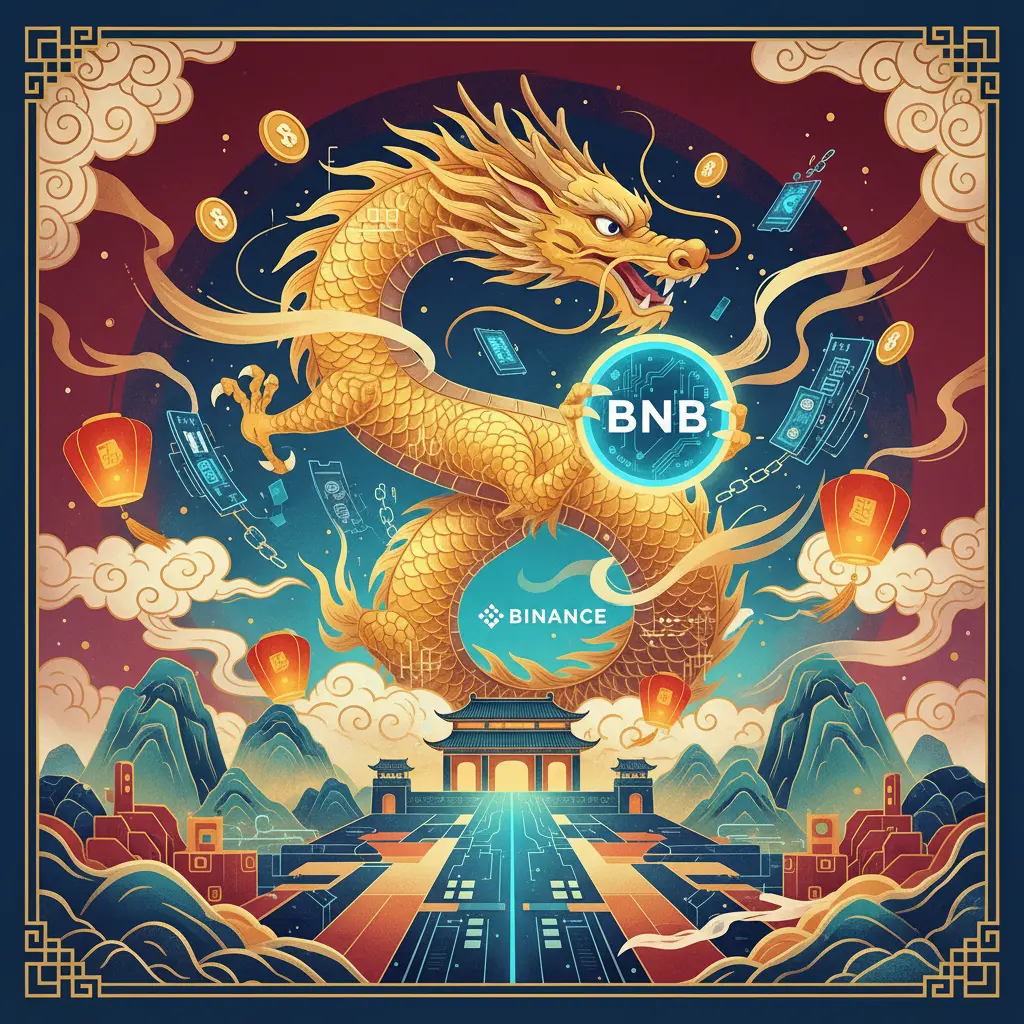
Professional illustration about BNB
Binance in 2025 Overview
Binance in 2025 Overview
As the world’s leading cryptocurrency exchange, Binance continues to dominate the crypto trading landscape in 2025, offering unparalleled liquidity, low fees, and a robust ecosystem for digital assets. The platform has evolved significantly, integrating cutting-edge features like Binance Alpha for advanced trading analytics and Binance MegaDrop for exclusive token launch opportunities. With BNB remaining a cornerstone of its ecosystem, Binance has solidified its position as a one-stop shop for buying crypto, staking rewards, and even exploring the NFT marketplace.
One of the standout features in 2025 is Binance’s commitment to security, with the SAFU (Secure Asset Fund for Users) fund now exceeding $2 billion, providing users with peace of mind against potential threats. The platform has also enhanced its identity verification processes, ensuring compliance with global regulations while maintaining a seamless user experience. Traders can effortlessly swap major cryptocurrencies like Bitcoin, Ethereum, XRP, ADA, SOL, DOGE, and OP, thanks to Binance’s deep liquidity pools and competitive spreads.
For those looking to grow their holdings, crypto staking on Binance offers attractive yields, particularly for BNB and Ethereum holders. The platform’s blockchain infrastructure supports fast transactions and low-cost transfers, making it ideal for both beginners and seasoned traders. Binance.US, the American arm of the exchange, has expanded its offerings, catering to U.S.-based users with a curated selection of crypto prices and trading pairs.
In 2025, Binance isn’t just a crypto platform—it’s a full-fledged financial ecosystem. Whether you’re looking to sell crypto, participate in decentralized finance (DeFi), or explore new altcoins, Binance provides the tools and resources to stay ahead in the fast-paced world of digital assets. The integration of AI-driven insights through Binance Alpha has revolutionized how traders analyze market trends, while Binance MegaDrop continues to spotlight emerging projects with high growth potential.
The exchange’s dedication to innovation is evident in its support for multiple blockchain networks, ensuring compatibility with a wide range of tokens and protocols. From staking rewards to seamless fiat on-ramps, Binance remains the go-to destination for anyone serious about crypto trading. With its user-friendly interface, top-tier security, and relentless focus on delivering value, Binance in 2025 is more than just an exchange—it’s the heartbeat of the cryptocurrency industry.
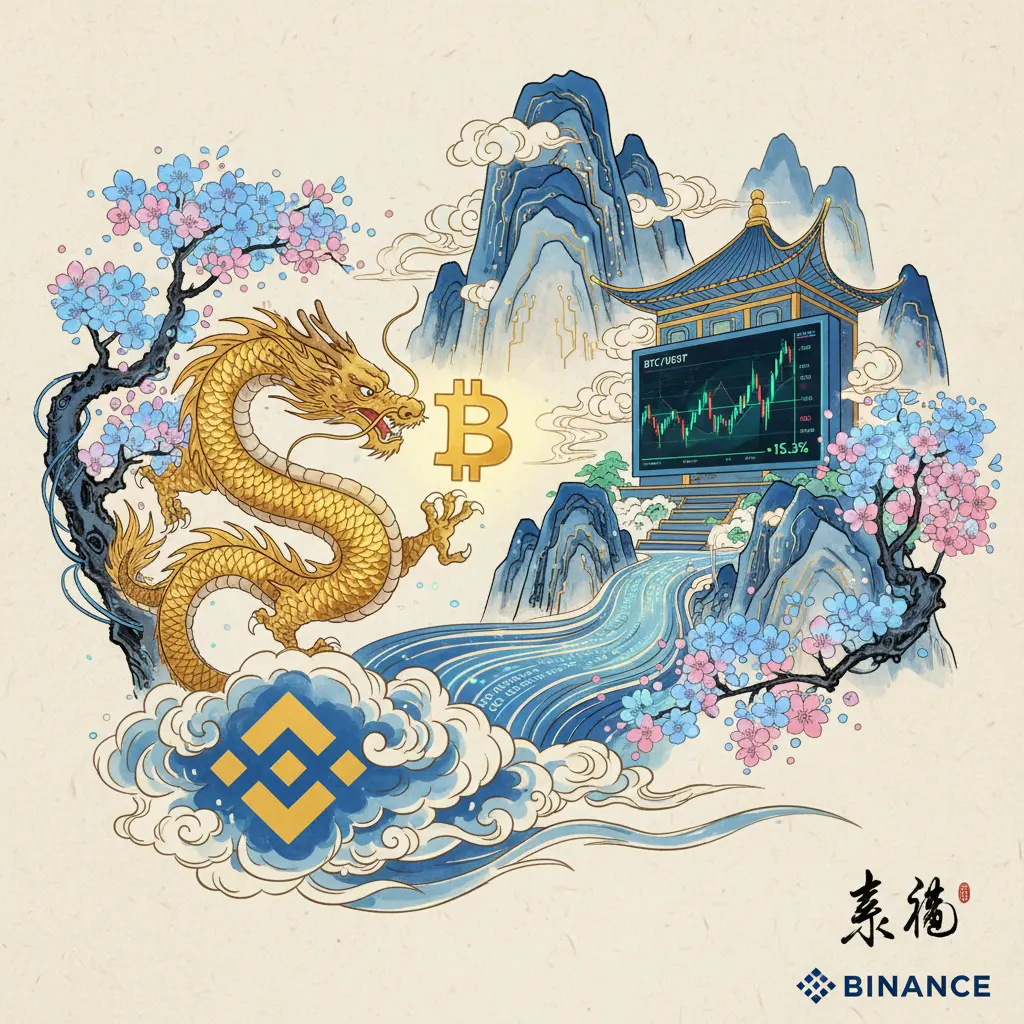
Professional illustration about Bitcoin
Binance Trading Fees Explained
Binance trading fees are among the most competitive in the cryptocurrency exchange market, but understanding the structure can help you optimize costs—especially if you're a frequent trader. The platform uses a maker-taker fee model, where fees range from 0.1% to 0.02% for spot trading, depending on your 30-day trading volume or whether you hold BNB (Binance's native token). For example, if you trade Bitcoin or Ethereum with BNB, you get an automatic 25% discount, lowering your fee to 0.075%. High-volume traders (those exceeding $50M in 30-day volume) pay as little as 0.02%, making Binance a go-to for institutional and pro traders.
For derivatives like futures, fees are even lower, starting at 0.02% for makers and 0.04% for takers. Binance also offers zero-fee trading for certain crypto trading pairs during promotions, like BTC/FDUSD or ETH/USDC, which is ideal for arbitrage opportunities. If you're using Binance.US, the fee structure is slightly different due to regulatory requirements, with a flat 0.1% fee for most trades unless you qualify for volume-based discounts.
One of the smartest ways to reduce fees is by leveraging Binance Alpha or Binance MegaDrop, which often include fee discounts as part of their rewards. Staking BNB or other assets like SOL, ADA, or XRP can also unlock additional perks, such as lower fees or higher staking rewards. Security is another priority—Binance's SAFU (Secure Asset Fund for Users) ensures your digital assets are protected, adding peace of mind while you trade.
Here’s a quick breakdown of fees for popular coins:
- DOGE: 0.1% spot trading fee (0.075% with BNB)
- OP: 0.1% standard fee, but drops to 0.06% for VIP users
- XRP: Same as above, but often included in zero-fee promotions
For NFT marketplace transactions or buy crypto operations with fiat, fees vary. Credit card purchases typically incur a 2% fee, while bank transfers are cheaper at 0.1%. If you're into crypto staking, Binance offers flexible and locked options, with APYs ranging from 3% to 20% depending on the asset. Always check the latest crypto prices and fee schedules on the platform, as they’re updated frequently to reflect market conditions.
Lastly, don’t overlook identity verification (KYC) requirements—completing these can sometimes unlock lower fees or higher withdrawal limits. Whether you're a casual trader or a high-frequency user, Binance’s tiered fee system and low fees make it a top choice for accessing blockchain markets with maximum liquidity. Just remember: fees are just one factor; always consider security, asset availability, and platform tools when choosing where to sell crypto or diversify your portfolio.
Professional illustration about Ethereum
Binance Security Features 2025
Binance Security Features 2025: How the Leading Crypto Exchange Keeps Your Digital Assets Safe
In 2025, Binance continues to set the gold standard for security in the cryptocurrency exchange space, combining cutting-edge technology with user-centric safeguards. Whether you're trading Bitcoin, Ethereum, or altcoins like ADA, DOGE, or SOL, Binance's multi-layered security framework ensures your digital assets remain protected. One of the cornerstones of this system is the SAFU (Secure Asset Fund for Users), a $1 billion emergency insurance fund that covers losses in extreme scenarios like hacking attempts. This fund, alongside real-time monitoring tools, provides peace of mind for traders on both Binance.US and the global platform.
Advanced Identity Verification and Anti-Phishing Measures
Binance has doubled down on identity verification in 2025, requiring rigorous KYC (Know Your Customer) checks for all users. This not only complies with global regulations but also drastically reduces fraudulent activity. The platform also employs AI-driven anti-phishing protocols, flagging suspicious login attempts and fake customer support scams. For example, if you receive an email claiming to be from Binance asking for your credentials, the system automatically detects and blocks it. Additionally, Binance Alpha users benefit from exclusive security features like whitelisted withdrawal addresses, adding an extra layer of protection against unauthorized transfers.
Cold Storage and Multi-Signature Wallets
Over 95% of Binance's crypto trading funds are stored in cold storage—offline wallets that are immune to online hacking attempts. The remaining 5% in hot wallets are protected by multi-signature technology, requiring multiple approvals for transactions. This balance ensures liquidity for traders while minimizing risk. Staking enthusiasts also benefit from these measures; whether you're earning staking rewards on BNB or XRP, your assets are secured with the same enterprise-grade protocols.
Real-Time Threat Detection and Low-Fee Security
Binance's 2025 security suite includes 24/7 surveillance systems that detect anomalies in crypto prices or trading volumes, triggering instant alerts. The platform's low fees don’t come at the expense of safety—instead, Binance reinvests in infrastructure like decentralized blockchain nodes to prevent DDoS attacks. Even newer features like Binance MegaDrop, which lets users earn tokens through locked staking, are built with security-first principles. For NFT marketplace participants, smart contract audits and wallet integration checks ensure seamless yet secure transactions.
User-Controlled Security Tools
Beyond institutional safeguards, Binance empowers users with customizable security options. Two-factor authentication (2FA) via hardware keys or authenticator apps is mandatory, and withdrawal confirmations are sent via email and SMS. The platform also educates users through in-app tutorials on avoiding common pitfalls, like sharing API keys or falling for crypto platform impersonators. Whether you're looking to buy crypto or sell crypto, these tools put you in control of your account's safety.
Final Thoughts on Binance's 2025 Security Ecosystem
From OP token traders to SAFU beneficiaries, Binance's 2025 security features cater to every segment of the crypto staking and trading community. By blending automated systems with user education, the exchange maintains its reputation as the most secure cryptocurrency exchange in the industry. As threats evolve, so do Binance's defenses—ensuring your portfolio stays safe in an increasingly digital financial landscape.
Professional illustration about Binance
Binance Mobile App Review
The Binance mobile app remains one of the most powerful tools for crypto trading in 2025, offering a seamless experience for both beginners and advanced traders. With support for major digital assets like Bitcoin (BTC), Ethereum (ETH), ADA, DOGE, SOL, and XRP, the app provides real-time crypto prices, low fees, and deep liquidity—making it a top choice for active traders. The interface is intuitive, with customizable charts and advanced order types, while features like Binance Alpha and Binance MegaDrop give users early access to new projects and staking opportunities. For U.S. users, Binance.US delivers a compliant version with similar functionality, though with a slightly reduced asset selection due to regulatory requirements.
Security is a standout feature, with SAFU (Secure Asset Fund for Users) protecting funds and multi-layer identity verification ensuring account safety. The app also supports crypto staking, allowing users to earn staking rewards on assets like BNB, Ethereum, and Cardano (ADA). For those interested in NFT marketplace integrations, Binance’s mobile platform lets you browse and trade NFTs directly from your phone. One of the most convenient aspects is the ability to buy crypto or sell crypto instantly using debit/credit cards, bank transfers, or even P2P trading—all with competitive fees compared to other cryptocurrency exchange apps.
Here’s a quick breakdown of what makes the Binance app a leader in 2025:
- Speed & Reliability: Executes trades in milliseconds, even during high volatility.
- All-in-One Features: From spot trading to futures, blockchain explorers, and crypto loans, everything is accessible in one place.
- User Experience: Dark/light mode options, biometric login, and a clean layout reduce clutter.
- Earnings Opportunities: Beyond trading, users can participate in launchpads, liquidity mining, and Binance MegaDrop for token airdrops.
However, the app isn’t without minor drawbacks. Some users report occasional delays in customer support, and the sheer number of features can overwhelm newcomers. That said, Binance continuously rolls out tutorials and demo modes to ease the learning curve. For traders who prioritize security, low fees, and a comprehensive crypto platform, the Binance mobile app is still a dominant force in 2025. Whether you’re holding OP for the long term or day-trading DOGE, the app’s tools and analytics give you an edge in the fast-moving digital assets market.

Professional illustration about Binance
Binance Staking Rewards Guide
Binance Staking Rewards Guide
Staking on Binance is one of the easiest ways to earn passive income with your crypto holdings. Whether you're holding BNB, Bitcoin, Ethereum, or altcoins like ADA, DOGE, or SOL, Binance offers flexible staking options with competitive rewards. The platform supports both locked staking (higher yields for fixed terms) and DeFi staking (more flexible but variable returns). For example, staking BNB in 2025 can yield up to 8% APY, while Ethereum staking rewards hover around 5-6%, depending on network conditions.
How Binance Staking Works
Binance simplifies staking by handling the technical backend—no need to run your own validator node. Just navigate to the Binance Earn section, select your preferred asset (like XRP or OP), and choose a staking duration. Locked staking terms typically range from 30 to 120 days, with longer commitments offering better staking rewards. For users in the U.S., Binance.US provides similar options, though availability may vary due to regulatory differences.
Maximizing Your Staking Rewards
To get the most out of staking, consider these strategies:
- Diversify your portfolio: Spread your holdings across high-yield assets like BNB and stablecoins to balance risk and reward.
- Leverage Binance Alpha and MegaDrop: These programs often offer bonus rewards for staking specific tokens or participating in new projects.
- Monitor crypto prices and network updates: Staking yields fluctuate based on demand and blockchain upgrades (e.g., Ethereum post-merge adjustments).
Security and Low Fees
Binance’s SAFU Fund ensures user funds are protected, and its identity verification process adds an extra layer of security. The platform’s low fees (often under 1%) make staking more profitable compared to other cryptocurrency exchanges. Plus, with liquidity pools and NFT marketplace integrations, you can easily swap staked assets or explore other digital assets without leaving the platform.
Real-World Example
Imagine staking 1,000 ADA on Binance for 90 days at 6% APY. You’d earn roughly 15 ADA (~$7.50 at 2025 prices) with minimal effort. Compare that to traditional savings accounts, and the advantage of crypto staking becomes clear. For active traders, combining staking with crypto trading can further optimize returns—just ensure you’re aware of lock-up periods to avoid missing out on market opportunities.
Final Tips
- Always check Binance’s staking rewards page for the latest rates, as they change frequently.
- Smaller-cap coins like SAFU or OP might offer higher APYs but come with greater volatility.
- Reinvest rewards to compound your earnings over time.
By understanding these nuances, you can turn your idle crypto into a steady income stream while benefiting from Binance’s robust blockchain infrastructure and user-friendly crypto platform.
Professional illustration about Binance
Binance NFT Marketplace Update
Binance NFT Marketplace Update: What’s New in 2025?
The Binance NFT Marketplace continues to evolve in 2025, offering traders and collectors cutting-edge features to buy, sell, and trade digital assets. One of the most significant updates is the integration of multi-chain support, allowing users to trade NFTs not just on BNB Chain but also on Ethereum, Solana (SOL), and other popular blockchains. This expansion boosts liquidity and opens doors for cross-chain collections, making it easier for creators to reach a global audience.
For crypto enthusiasts, the marketplace now supports staking rewards for holding certain NFTs, adding another layer of utility to digital collectibles. Pair this with Binance Alpha insights, and users can make data-driven decisions on trending NFT projects. The platform also introduced identity verification enhancements to comply with global regulations, ensuring a secure environment for high-value transactions.
Low fees remain a standout feature, with Binance leveraging its cryptocurrency exchange infrastructure to keep costs competitive. Whether you’re trading Bitcoin-based NFTs or rare Dogecoin (DOGE)-themed collectibles, the fee structure is designed to maximize profits for both buyers and sellers. Additionally, the SAFU Fund (Secure Asset Fund for Users) provides an extra layer of protection, safeguarding assets against unforeseen risks.
Newcomers will appreciate the streamlined buy crypto process, which now includes fiat-to-NFT purchases for select collections. Meanwhile, seasoned traders can explore Binance MegaDrop events, where limited-edition NFTs are paired with exclusive staking opportunities for tokens like Cardano (ADA) and Optimism (OP). The marketplace also introduced dynamic pricing tools, allowing users to track crypto prices in real-time and set alerts for their favorite assets.
For creators, Binance rolled out advanced analytics dashboards, offering insights into sales trends, buyer demographics, and royalty distributions. Whether you’re minting your first NFT or managing a large portfolio, these tools help optimize listings for better visibility. The platform’s blockchain transparency ensures that every transaction is verifiable, reinforcing trust in the ecosystem.
Looking ahead, Binance plans to integrate XRP-based NFTs and expand its crypto staking options for digital art holders. With these updates, the Binance NFT Marketplace solidifies its position as a top-tier crypto platform for both casual collectors and serious investors. Stay tuned for more innovations as Binance continues to push the boundaries of NFT trading in 2025.
Professional illustration about MegaDrop
Binance Futures Trading Tips
Binance Futures Trading Tips
Futures trading on Binance offers a powerful way to capitalize on crypto trading opportunities, but it requires strategy and risk management. Whether you're trading Bitcoin (BTC), Ethereum (ETH), or altcoins like ADA, DOGE, or SOL, these tips will help you navigate the market with confidence.
One of the biggest advantages of trading futures on Binance is its competitive fee structure and deep liquidity. The platform charges some of the low fees in the industry, especially if you hold BNB to pay for trading costs. High liquidity ensures tight spreads, reducing slippage when entering or exiting positions. For example, trading XRP or OP futures during peak hours is smoother due to Binance’s massive order books.
Stay ahead of the curve by leveraging Binance Alpha and Binance MegaDrop, which provide exclusive market insights and early access to new projects. These tools can help you spot trends before they go mainstream—like identifying a potential rally in SOL or a dip in Bitcoin before a major news event. Combining these resources with technical analysis can significantly improve your trading decisions.
The SAFU (Secure Asset Fund for Users) fund adds an extra layer of security, but you should still protect your capital. Always set stop-loss orders to limit downside risk, especially in volatile markets. For instance, if you’re long on Ethereum futures, a stop-loss at 5-10% below your entry point can prevent catastrophic losses during sudden downturns. Additionally, avoid over-leveraging—even 10x can be risky if the market moves against you.
Binance isn’t just about futures—it’s a full crypto platform with spot trading, staking rewards, and an NFT marketplace. Diversifying your strategy can hedge risk. For example, staking BNB for passive income while trading Bitcoin futures allows you to benefit from both long-term holdings and short-term trades. Similarly, exploring Binance.US (for U.S. users) can provide access to different digital assets and regulatory-compliant trading options.
Futures trading is highly sentiment-driven. Use Binance’s real-time crypto prices charts and news alerts to monitor shifts in market psychology. For example, a sudden spike in DOGE futures volume might indicate a meme coin trend, while regulatory news could impact XRP or ADA. Tools like funding rate indicators can also help spot overbought or oversold conditions.
Completing identity verification (KYC) on Binance unlocks higher withdrawal and trading limits, which is crucial for serious traders. Verified accounts also gain access to features like Binance MegaDrop and higher staking rewards tiers. If you’re trading large volumes of Bitcoin or Ethereum futures, this step is non-negotiable.
Binance offers two margin modes: Cross (uses entire account balance as collateral) and Isolated (limits risk to a single position). Beginners should start with Isolated Margin to avoid liquidation across multiple trades. For example, if you’re testing a SOL futures strategy with high leverage, Isolated Margin ensures a bad trade won’t wipe out your entire portfolio. Advanced traders might prefer Cross Margin for flexibility.
Some futures traders overlook staking rewards, but they can complement your strategy. Locking up BNB or ADA in Binance’s staking programs earns passive income, which can offset trading losses. For instance, if you’re holding Ethereum long-term, staking it while trading ETH futures creates a balanced approach.
By applying these tips, you’ll be better equipped to navigate Binance futures trading while minimizing risks and maximizing opportunities. Whether you’re scalping Bitcoin or swinging XRP, the key is staying informed, disciplined, and adaptable in this fast-paced blockchain ecosystem.

Professional illustration about ADA
Binance Customer Support 2025
In 2025, Binance continues to set the gold standard for cryptocurrency exchange customer support, offering a seamless experience for traders dealing with BNB, Bitcoin, Ethereum, and other digital assets. Whether you're a beginner navigating crypto trading or a seasoned pro exploring Binance Alpha and Binance MegaDrop, their 24/7 multilingual support ensures quick resolutions for issues ranging from identity verification to staking rewards.
One standout feature is Binance’s SAFU (Secure Asset Fund for Users), which adds an extra layer of security for users concerned about low fees and liquidity risks. If you encounter problems with ADA, DOGE, SOL, or XRP transactions, the support team leverages AI-powered chatbots for instant responses, backed by human agents for complex cases. For Binance.US users, localized assistance ensures compliance with regional regulations while maintaining the platform’s signature efficiency.
The NFT marketplace integration has also streamlined support for creators and collectors, with dedicated channels for disputes and authentication. Proactive alerts about crypto prices and blockchain updates further reduce the need for reactive troubleshooting. Stuck on buying crypto or selling crypto? Binance’s revamped help center in 2025 includes step-by-step video guides and real-time community forums where experts share tips on maximizing staking rewards and avoiding common pitfalls.
For high-volume traders, priority support tiers offer direct access to specialists, minimizing downtime during critical market movements. Whether it’s a glitch in crypto staking or a query about digital assets security, Binance’s commitment to transparency and speed keeps users loyal in a competitive crypto platform landscape.
Pro tip: Bookmark the in-app “Live Assist” feature for one-click access to support during volatile trading windows—especially useful for altcoins like OP or XRP where timing is everything. Binance’s 2025 upgrades prove that even in a decentralized world, centralized customer care remains a game-changer.
Professional illustration about DOGE
Binance Token Listings 2025
Binance Token Listings 2025: What’s New and How to Stay Ahead
In 2025, Binance continues to dominate as the world’s leading cryptocurrency exchange, with its token listings playing a pivotal role in shaping the crypto trading landscape. This year, the platform has introduced a mix of established giants like Bitcoin (BTC), Ethereum (ETH), and XRP, alongside emerging projects such as OP and ADA, reflecting its commitment to diversifying digital assets for traders. One standout feature is Binance Alpha, a curated selection of high-potential tokens backed by rigorous vetting processes, ensuring users gain early access to innovative blockchain projects.
For U.S.-based traders, Binance.US has expanded its offerings, though regulatory scrutiny means listings often lag behind the global platform. However, Binance MegaDrop, the platform’s exclusive token launchpad, has bridged this gap by spotlighting promising assets like SOL and DOGE variants, coupled with staking rewards to incentivize participation. Security remains a top priority, with SAFU (Secure Asset Fund for Users) ensuring liquidity and protection against unforeseen market volatility.
Low fees and high liquidity make Binance a go-to for both beginners and seasoned traders. The exchange’s NFT marketplace integration also allows users to explore tokenized assets beyond traditional crypto prices. To buy or sell crypto seamlessly, Binance’s identity verification process has been streamlined in 2025, balancing compliance with user convenience.
Pro Tips for Navigating 2025 Listings:
- Watch Binance Alpha: New listings here often signal long-term potential.
- Leverage MegaDrop: Early participation can yield higher staking rewards.
- Diversify wisely: While meme coins like DOGE attract hype, focus on projects with solid blockchain utility.
- Monitor regulatory updates: Especially on Binance.US, where listings may differ due to compliance.
With its relentless innovation, Binance’s 2025 token strategy underscores its mission to democratize access to the crypto platform ecosystem while maintaining robust security standards. Whether you’re trading blue-chip cryptos or exploring niche altcoins, staying informed is key to capitalizing on these opportunities.
Professional illustration about OP
Binance DeFi Integration
Binance DeFi Integration has become a game-changer in the cryptocurrency exchange space, offering users seamless access to decentralized finance (DeFi) tools while maintaining the security and liquidity of a centralized platform. In 2025, Binance continues to lead the charge by integrating DeFi protocols directly into its ecosystem, allowing traders to stake, lend, and borrow digital assets like BNB, Bitcoin, and Ethereum without leaving the platform. This hybrid approach combines the best of both worlds: the low fees and user-friendly interface of Binance with the permissionless innovation of DeFi.
One of the standout features is Binance Alpha, which provides advanced DeFi analytics and yield optimization strategies. For example, users can compare staking rewards across multiple chains, including SOL, ADA, and XRP, and automatically allocate funds to the highest-yielding opportunities. Meanwhile, Binance MegaDrop incentivizes participation in new DeFi projects by offering exclusive token distributions and airdrops. These initiatives not only boost engagement but also democratize access to high-potential DeFi ventures.
Security remains a top priority, and Binance’s SAFU fund ensures that users’ assets are protected against smart contract vulnerabilities or unexpected market swings. The platform also emphasizes identity verification to comply with global regulations, making it a trusted gateway for both beginners and seasoned crypto traders.
For those looking to dive deeper into DeFi, Binance supports cross-chain swaps, allowing users to trade DOGE or OP for other digital assets with minimal slippage. The integration also extends to the NFT marketplace, where collectors can leverage DeFi tools to fractionalize or collateralize their holdings.
Here’s why Binance’s DeFi integration stands out in 2025:
- Liquidity: Tap into deep pools for stablecoins and altcoins, reducing price impact for large trades.
- Staking Rewards: Earn passive income by staking BNB or other supported tokens directly through the crypto platform.
- Low Fees: Competitive pricing compared to standalone DeFi protocols, especially for high-volume traders.
- User Experience: No need to manage private keys or navigate complex blockchain interfaces—everything is streamlined within Binance.
Whether you’re looking to buy crypto, explore yield farming, or simply diversify your portfolio, Binance’s DeFi integration offers a secure and efficient way to harness the power of blockchain technology. The platform’s commitment to innovation ensures that it stays ahead of trends, making it a go-to destination for anyone serious about cryptocurrency trading.
Professional illustration about SAFU
Binance Smart Chain Updates
Binance Smart Chain (BSC) continues to evolve in 2025, solidifying its position as a leading blockchain for decentralized applications (dApps), crypto trading, and NFT marketplaces. With its low fees and high-speed transactions, BSC remains a favorite among developers and traders alike, especially when compared to Ethereum’s gas fees. One of the most notable updates this year is the enhanced integration with Binance Alpha, the platform’s advanced trading suite, which now supports seamless swaps between BNB and other major assets like Bitcoin, XRP, and SOL. This upgrade not only improves liquidity but also makes it easier for users to buy crypto or sell crypto across multiple chains without leaving the Binance ecosystem.
Security has always been a top priority for Binance, and the latest BSC updates reinforce this commitment. The SAFU Fund (Secure Asset Fund for Users) has been expanded to cover more potential risks, including smart contract vulnerabilities. Additionally, Binance has rolled out stricter identity verification protocols for projects launching on BSC, reducing the likelihood of scams. For DeFi enthusiasts, the introduction of staking rewards with higher APYs for BNB and other popular tokens like ADA and DOGE has made the chain even more attractive. These staking options are now accessible directly through Binance.US and the global platform, catering to both institutional and retail investors.
The 2025 upgrades also focus on scalability and interoperability. Binance Smart Chain now supports cross-chain bridges with Ethereum and OP-based networks, allowing users to move digital assets effortlessly. This is a game-changer for developers building multi-chain dApps or NFT marketplaces, as it eliminates the friction of asset transfers. For traders, the improved liquidity pools mean better pricing and reduced slippage, especially for high-volume pairs like BNB/Bitcoin or XRP/SOL. The Binance MegaDrop program has also been integrated with BSC, offering users early access to promising projects and exclusive airdrops—a perk that’s driving more adoption.
Looking ahead, Binance Smart Chain is poised to leverage its growing ecosystem for even broader use cases. Whether you’re into crypto staking, NFT trading, or simply looking for a reliable cryptocurrency exchange, BSC’s 2025 updates make it a versatile choice. The chain’s ability to balance low fees, security, and innovation ensures it stays competitive in the fast-paced world of blockchain technology. With Binance continuously rolling out new features, BSC is not just keeping up with trends—it’s setting them.
Professional illustration about SOL
Binance KYC Process 2025
The Binance KYC Process 2025 remains a critical step for users looking to trade Bitcoin, Ethereum, or other top cryptocurrencies on the world’s leading crypto platform. Whether you’re a beginner or an advanced trader, completing Know Your Customer (KYC) verification is mandatory to access features like crypto trading, staking rewards, or participating in exclusive programs like Binance Alpha and Binance MegaDrop.
With increasing regulatory scrutiny worldwide, Binance has doubled down on security and compliance. The identity verification process ensures a safer environment for trading digital assets, protecting users from fraud while maintaining liquidity and low fees. Even if you’re just looking to buy crypto like ADA, DOGE, or SOL, skipping KYC isn’t an option—unverified accounts face withdrawal limits and restricted access to the NFT marketplace or crypto staking services.
- Sign Up & Basic Details: Start by creating an account on Binance or Binance.US (for U.S. residents). Enter your email, set a strong password, and agree to the terms.
- Submit ID Documents: Upload a government-issued ID (passport, driver’s license, or national ID). In 2025, Binance supports real-time document scanning via its mobile app for faster processing.
- Facial Verification: The platform uses advanced AI to match your selfie with your ID. Ensure good lighting and avoid accessories that obscure your face.
- Address Proof (if required): Some regions may need additional proof, like a utility bill or bank statement, dated within the last three months.
-
Wait for Approval: Most verifications are completed within 15 minutes, but high-demand periods may take up to 48 hours.
-
Double-Check Documents: Blurry or expired IDs are the top reasons for rejection.
- Use the Mobile App: The app’s built-in scanner reduces errors compared to manual uploads.
- Avoid VPNs: Binance flags IP addresses from restricted regions, delaying verification.
If you’re trading large amounts of XRP, BNB, or other crypto prices, Binance offers enhanced KYC tiers. These include:
- Corporate Verification: For businesses, requiring company registration documents and beneficiary ownership details.
- VIP Programs: High-net-worth individuals can unlock lower fees and priority support by submitting additional financial proofs.
Even in 2025, users encounter hurdles:
- Name Mismatches: Ensure your Binance account name matches your ID exactly—middle initials matter!
- Geographic Restrictions: Binance.US operates under stricter U.S. regulations, so some cryptocurrency exchange features may differ.
- SAFU Fund Protections: Verified accounts enjoy full coverage under Binance’s Secure Asset Fund for Users (SAFU), adding an extra layer of security.
Looking ahead, Binance is testing blockchain-based KYC solutions where users control their verified data across platforms. This could revolutionize how we sell crypto or interact with digital assets globally. For now, though, sticking to the 2025 KYC guidelines ensures seamless access to everything from OP token trades to staking rewards on the platform.
By understanding these steps and best practices, you’ll navigate the Binance KYC Process 2025 like a pro—whether you’re hodling Bitcoin or exploring the latest NFT marketplace drops.
Professional illustration about XRP
Binance vs Competitors 2025
Binance vs Competitors 2025: How the Leading Crypto Exchange Stacks Up
In 2025, Binance remains the undisputed leader in the cryptocurrency exchange space, but the competition has never been fiercer. With rivals like Coinbase, Kraken, and Bybit aggressively expanding their offerings, how does Binance hold its ground? Let’s break it down.
Trading Fees and Liquidity
One of Binance’s biggest advantages is its low fees, especially for high-volume traders. The platform’s tiered fee structure, combined with deep liquidity, makes it a top choice for traders dealing with Bitcoin, Ethereum, and altcoins like ADA, DOGE, and SOL. Competitors like Coinbase have tried to match these fees but often fall short, particularly for spot and futures trading. Binance also offers staking rewards and programs like Binance MegaDrop, which provide additional incentives for users to hold and trade on the platform.
Security and Trust
Binance’s SAFU (Secure Asset Fund for Users) fund continues to set the standard for security in the industry. While other exchanges have bolstered their safeguards, Binance’s multi-tiered approach—including identity verification, cold storage, and real-time monitoring—gives it an edge. Competitors like Kraken also prioritize security, but Binance’s sheer scale and proven track record (even after regulatory challenges) keep it ahead.
Innovation and Features
Binance stays ahead of the curve with innovations like Binance Alpha, a suite of advanced trading tools, and its NFT marketplace, which rivals OpenSea and Blur. The platform’s integration of blockchain services—from buy crypto to sell crypto—creates a seamless ecosystem. Meanwhile, competitors struggle to match Binance’s all-in-one approach. For example, while Coinbase has a strong crypto platform, it lacks the depth of Binance’s digital assets offerings, such as BNB staking and crypto staking options.
Regulatory Compliance and Regional Availability
One area where competitors like Binance.US (Binance’s American arm) face challenges is regulatory compliance. While Binance has worked to align with global regulations, some rivals, like Gemini, have positioned themselves as more "regulation-friendly." However, Binance’s vast global reach still gives it an advantage in markets where competitors have limited access.
Final Thoughts
While Binance isn’t perfect—its sheer size can sometimes lead to slower customer support—its combination of low fees, liquidity, security, and innovation keeps it at the top. For traders prioritizing crypto trading and crypto prices, Binance remains the go-to cryptocurrency exchange in 2025, even as competitors close the gap.

Professional illustration about Cryptocurrency
Binance Tax Reporting Tools
Binance Tax Reporting Tools simplify the complex process of tracking and filing crypto taxes, making it easier for traders to stay compliant in 2025. Whether you're trading Bitcoin, Ethereum, or altcoins like ADA, DOGE, or SOL, Binance offers built-in tools to generate detailed tax reports. These reports categorize transactions—including crypto trading, staking rewards, and even NFT marketplace activities—so you can accurately calculate gains or losses. For U.S. users, Binance.US provides IRS-compliant forms like the 1099-MISC, while the global platform supports CSV exports compatible with third-party tax software.
One standout feature is the ability to filter transactions by asset (e.g., BNB, XRP, or OP) or activity type (e.g., buy crypto, sell crypto, or crypto staking). This granularity is invaluable for traders managing diverse portfolios across Binance Alpha or Binance MegaDrop campaigns. For example, if you participated in a SAFU-backed staking program, the tool automatically calculates rewards as income. Similarly, trades involving digital assets like SOL or DOGE are logged with timestamps and liquidity details, ensuring transparency for audit purposes.
Security is another priority. Binance’s tax tools integrate with its identity verification system, ensuring only authorized users access sensitive financial data. The platform’s low fees and robust blockchain infrastructure also mean you won’t lose track of small transactions, which can add up during high-frequency trading. Pro tip: Regularly export your transaction history, especially if you’re active on the cryptocurrency exchange, to avoid last-minute scrambling during tax season.
For advanced users, Binance’s API allows seamless synchronization with tax software like TurboTax or CoinTracker. This is particularly useful for tracking crypto prices across multiple wallets or analyzing historical trends. If you’re staking BNB or providing liquidity, the platform’s reports break down rewards by date and value, simplifying income reporting. Remember, tax laws vary by jurisdiction—always consult a professional to ensure compliance, especially with evolving 2025 regulations.
Binance’s commitment to user-friendly security extends to its tax tools, which are designed to mitigate errors and reduce manual entry. Whether you’re a casual hodler or a high-volume trader, leveraging these features can save hours of paperwork and potential headaches with tax authorities. Keep an eye on updates, as Binance frequently enhances its reporting capabilities to align with global crypto platform standards.
Professional illustration about BNB
Binance API Documentation
Binance API Documentation is your gateway to automating crypto trading, accessing real-time market data, and integrating Binance's powerful features into your applications. Whether you're a developer building trading bots, a business needing liquidity data, or an enthusiast tracking Bitcoin, Ethereum, or altcoins like ADA, DOGE, or SOL, Binance's APIs offer robust tools. The documentation covers everything from RESTful endpoints to WebSocket streams, with detailed guides on authentication, rate limits, and error handling. For traders leveraging BNB for fee discounts or participating in Binance Alpha and Binance MegaDrop, the API provides programmatic access to staking rewards, NFT marketplace listings, and more.
Security is a top priority, with features like SAFU (Secure Asset Fund for Users) and multi-layered identity verification ensuring safe transactions. The API supports spot trading, futures, and margin markets, all with low fees and high liquidity—critical for high-frequency traders. For example, you can fetch real-time crypto prices for XRP or OP, place bulk orders, or monitor portfolio balances seamlessly. Developers appreciate the well-structured endpoints for buying/selling crypto, managing staking rewards, and even withdrawing funds programmatically (with proper security checks).
Here’s why the Binance API stands out:
- Comprehensive Coverage: From blockchain data to digital assets management, the API supports hundreds of cryptocurrencies and trading pairs.
- Scalability: Handle thousands of requests per minute with optimized rate limits, perfect for institutional traders or crypto platforms.
- Staking Integration: Automate crypto staking for assets like ADA or SOL to maximize passive income.
- Real-Time Data: Stream order book updates, trades, and candle charts for technical analysis.
For Binance.US users, the API documentation includes region-specific endpoints compliant with U.S. regulations, ensuring smooth integration for domestic developers. Pro tips: Always test API calls in sandbox mode before going live, and leverage WebSocket streams for event-driven trading strategies. Whether you're building a custom dashboard or a full-fledged cryptocurrency exchange connector, Binance's documentation is the gold standard for clarity and depth in the crypto space.
Note: As of 2025, Binance continues to expand API functionalities, so regularly check for updates—especially if you’re working with newer features like NFT marketplace integrations or cross-collateralization tools. Missing these updates could mean overlooking faster execution times or additional security layers. For advanced users, diving into the API’s margin trading or lending endpoints can unlock sophisticated arbitrage opportunities in volatile markets.